When hardware startups first engage with manufacturers in China, the minimum order quantity (MOQ) conversation often becomes an immediate sticking point. A factory quotes you 3,000 units per order for a product you only need 500 of to validate market demand. Understanding how to negotiate MOQs is essential for protecting your cash runway while building a productive supplier relationship.
1. What Is MOQ and Why Factories Enforce It
MOQ stands for Minimum Order Quantity. It is the smallest number of units a factory is willing to produce per production order. Factories set MOQs to cover the fixed costs of setting up a production line — tooling preparation, machine calibration, staff scheduling, and material procurement — regardless of order volume.
For the factory, running a 500-unit order on the same line that handles 50,000-unit orders from their larger clients means the same setup cost is spread across far fewer units. This makes the unit economics unworkable at small volumes. MOQs are not arbitrary — they reflect real production economics. Understanding this from the factory perspective is the first step to negotiating a workable arrangement.
2. How China Factories Calculate MOQ
China factories typically calculate MOQ based on three factors: tooling amortization, material minimums, and production efficiency thresholds.
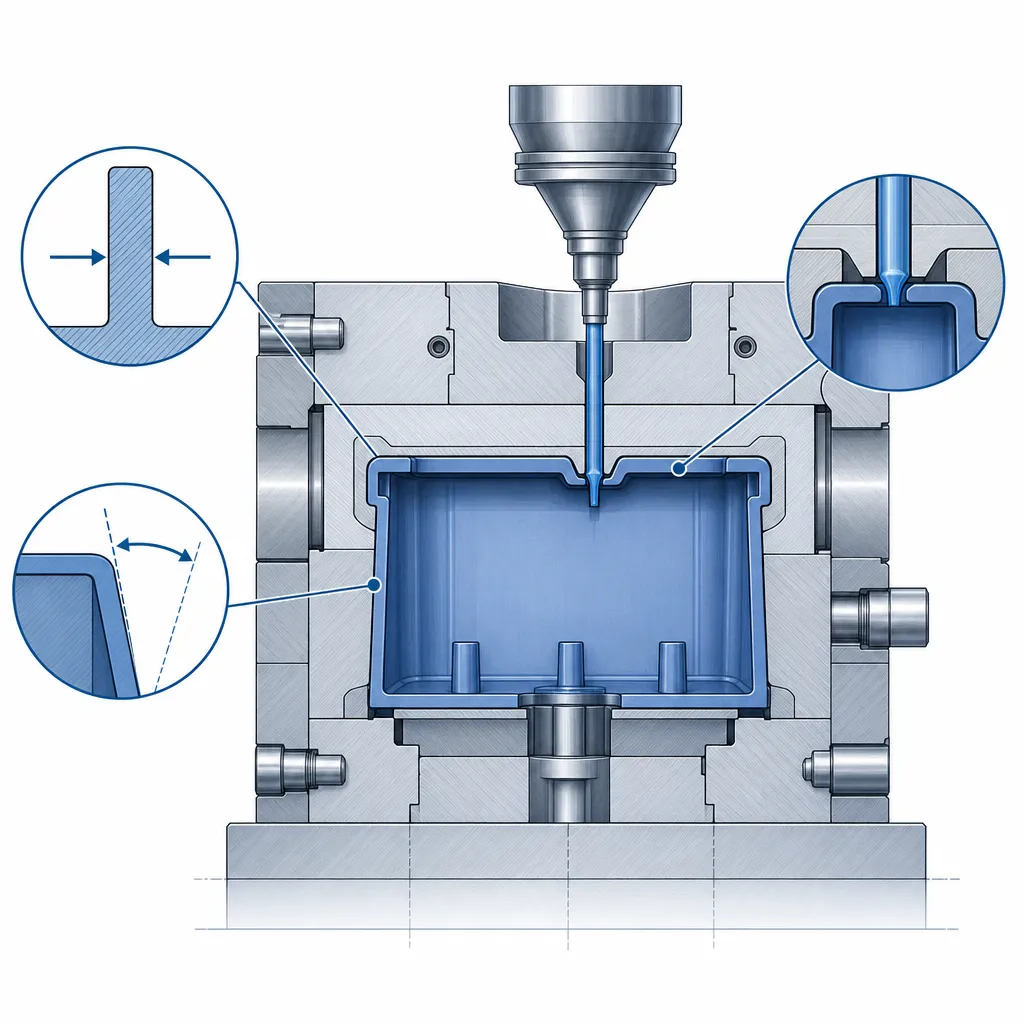
Tooling costs — molds, jigs, and fixtures — must be recouped within the order volume. If a mold costs CNY 80,000 and the factory targets a CNY 0.50 unit margin, they need to sell 160,000 units just to cover the mold. This math directly drives the MOQ they quote.
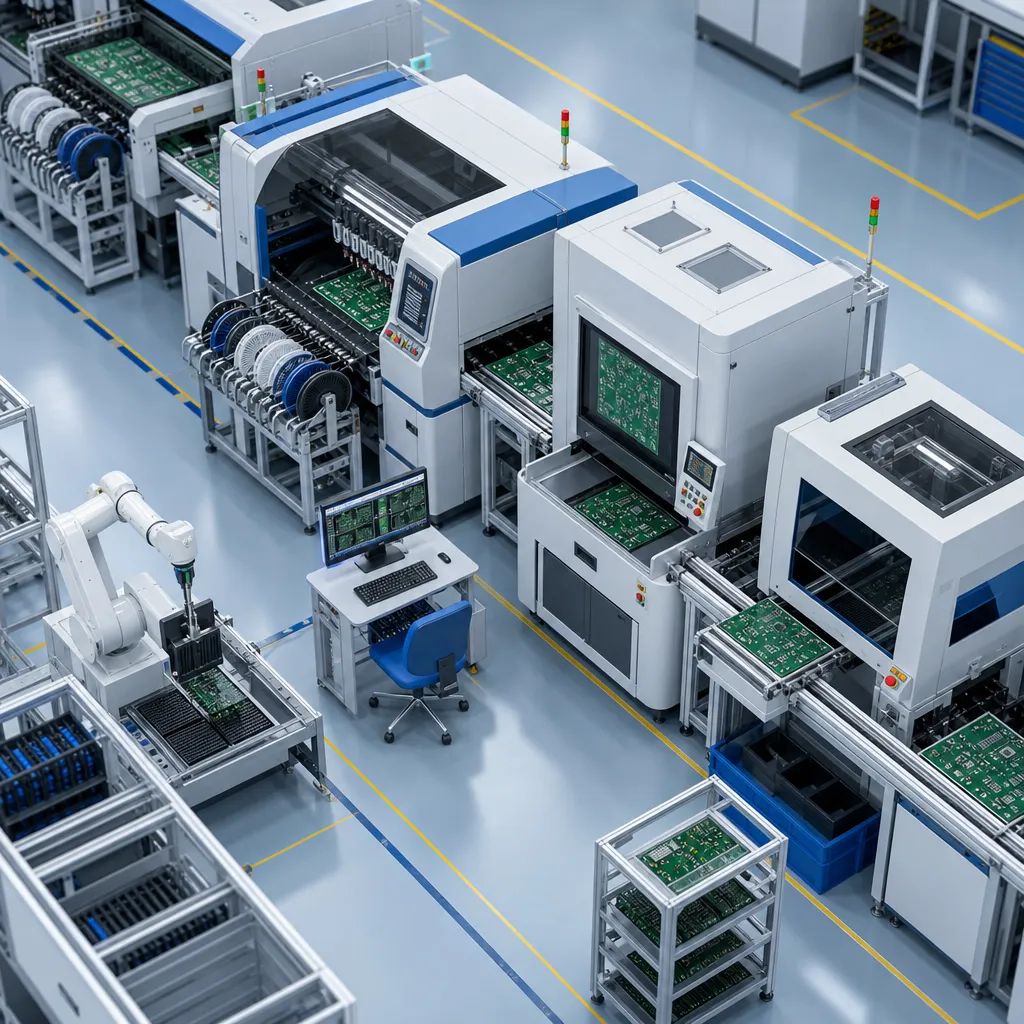
Material suppliers also set their own minimum order quantities for components and raw materials. The factory passes these minimums up the chain, which is why even simple PCB assemblies may carry a 200-unit floor. Production line efficiency thresholds matter too — running below a certain volume means the factory labor utilization drops, making the order unprofitable even before material costs are factored in.
3. Strategies to Negotiate Lower MOQs
There are proven approaches to bringing an MOQ down without walking away from the relationship.
First, offer a firm forecast commitment. If you can commit to ordering 1,500 units over the next 12 months across multiple shipments, the factory can treat this as a volume commitment even if each individual shipment is smaller. This spreads their setup cost across a larger total volume.
Second, share your product roadmap. If the factory can see that your current product is the first in a line of three, and each will use the same tooling or assembly line, they have an incentive to take a smaller MOQ now in exchange for future volume. Factories value long-term client relationships over short-term unit economics.
Third, explore shared tooling modifications. If your product differs from their standard offerings by only minor customizations, ask whether they can use existing tooling with modifications. This avoids the full tooling cost and can reduce MOQ substantially.
Fourth, pay a tooling surcharge upfront. Offering to cover some or all of the tooling cost in exchange for a lower per-unit price is a common negotiation lever. This reduces the factory risk exposure and can bring MOQ down significantly.
4. Alternatives to High MOQs: Split Orders and Aggregated Runs
If the factory MOQ is genuinely immovable, there are structural alternatives worth exploring.
Aggregated production runs allow you to combine your order with other startups orders on the same production line. Some contract manufacturers in Shenzhen offer this as a formal service — you place a small order and they batch it with similar products. Your per-unit cost rises slightly, but you avoid the full MOQ burden.
Another approach is to negotiate a phased delivery schedule within a single order. Place the full MOQ order, but negotiate delivery in two or three tranches spread over several months. This lets you manage cash flow while satisfying the volume requirement. Many factories are flexible on payment and delivery terms even when they are inflexible on quantity.
5. Building Long-Term Factory Relationships to Reduce MOQ
MOQs typically decrease as your relationship with a factory matures. First orders frequently carry higher MOQs because the factory is taking on volume and credit risk for a new, unproven client. As you demonstrate payment reliability, consistent order volume, and clear communication, factories become more willing to accommodate smaller orders.
The key is to treat the first order as the beginning of a relationship, not a single transaction. Communicate openly about your product roadmap, your funding timeline, and your market validation progress. When a factory understands your growth trajectory, they are far more likely to make accommodations on MOQ.
Consistent communication — weekly updates during NPI, prompt payment regardless of minor quality disputes, and proactive sharing of forecasts — builds the trust that translates into better commercial terms over time.
6. Common MOQ Negotiation Mistakes to Avoid
Several mistakes consistently undermine startup negotiations with Chinese factories on MOQ.
One of the most common is comparing factory quotes without understanding what is included. A factory quoting 2,000 units at CNY 12 per unit may seem more expensive than one quoting 3,000 units at CNY 9 per unit. But if the first quote includes packaging, QC, and shipping while the second does not, the comparison is meaningless. Always get a full cost breakdown before evaluating MOQ trade-offs.
Another mistake is threatening to walk away when you do not mean it. Factory sales representatives are trained to read negotiation signals. If you signal that a deal is essential to you, you lose leverage. Only threaten to walk away if you genuinely have an alternative — and make sure you have that alternative before you start negotiating.
Finally, avoid accepting the first quote without negotiation. MOQ is almost always negotiable. The first number is a starting position, not a fixed price. Budget time for at least two rounds of negotiation before accepting an MOQ as final.
Conclusion
Negotiating MOQs with China factories requires understanding the economics behind the numbers, building relationships before you need favors, and approaching each negotiation as a two-way conversation rather than a demand. The goal is not to eliminate MOQ — it is to reach a number that protects your cash flow while remaining commercially viable for your supplier. Master this balance and you will find it significantly easier to move from prototype to mass production with the right China partner.
For a deeper dive into managing costs alongside your MOQ negotiations, explore our BOM and Manufacturing Cost Review service. And if you are still early in the process of selecting a factory, our Supplier Selection and RFQ guide walks through the full vetting process step by step.