For hardware startups, selecting the right manufacturing partner in China is one of the most consequential decisions you’ll make. The factory you choose affects your product quality, production costs, delivery timelines, and ultimately your startup’s reputation. Yet many overseas teams rush this process, relying on Alibaba listings or B2B platform introductions without proper due diligence.
A poor factory choice can lead to defective products, missed shipment dates, unexpected cost overruns, and even IP theft. On the other hand, a well-vetted manufacturing partner becomes a strategic asset—helping you optimize designs for manufacturability, suggesting cost-saving alternatives, and scaling production as your business grows.
This guide provides a systematic, step-by-step approach to vetting factories in China. Whether you’re sourcing your first prototype run or scaling to mass production, these evaluation criteria will help you make informed decisions.
Why Factory Vetting Matters for Hardware Startups
The Chinese manufacturing ecosystem includes hundreds of thousands of factories, ranging from world-class facilities serving Fortune 500 companies to small workshops with limited quality control. The gap between the best and worst factories is enormous, and without proper vetting, it’s nearly impossible to tell them apart from the outside.
The cost of a bad factory choice can be devastating:
- Products that fail quality checks, requiring expensive rework or scrapping entire batches
- Production delays that cause you to miss retail launch windows or investor milestones
- Hidden cost increases as the factory finds ways to charge for “unexpected” requirements
- Quality degradation over time as the factory cuts corners to maintain margins
- IP infringement or unauthorized production runs using your designs
For hardware startups with limited capital and even less margin for error, systematic factory vetting is not a luxury—it’s survival.
Step 1: Initial Research and Shortlisting
Before visiting any factory or sending technical inquiries, build a targeted shortlist using these criteria:
Match Your Production Stage
Different factories specialize in different production stages. A factory that excels at high-volume mass production may be terrible for prototyping. Likewise, a rapid prototyping shop may lack the systems and capacity for volume manufacturing. Match the factory’s core competency to your current need:
- Prototyping stage: Look for factories with fast turnaround, low MOQ tolerance, and strong DFM feedback capabilities
- Pilot run stage: Need factories that understand the transition from hand assembly to production line processes
- Mass production stage: Require factories with mature quality systems, production capacity scalability, and supply chain management capabilities
Industry Specialization
China’s manufacturing ecosystem is highly specialized. A factory that produces automotive electronics has different capabilities and quality standards than one making consumer gadgets. Look for factories with relevant product experience—they’ll have the right testing equipment, assembly processes, and quality checkpoints already in place.
Online Research Tactics
Go beyond Alibaba listings. Check the factory’s export license (required for international business), look for business registration records, and search for reviews or mentions on industry forums. A factory that’s been in business for 5+ years with stable export records is generally a safer bet than a newly established operation.
Step 2: Document Review and Capability Assessment
Once you have a shortlist of 5-10 potential factories, send them a structured Request for Information (RFI). A professional factory will respond promptly with detailed documentation.
Key Documents to Request
Business License: Verify the registered business scope matches your product category. Check the registered capital—higher capital generally indicates a more established operation. Confirm the license is current and not under any regulatory restrictions.
Quality Certifications: ISO 9001 is the minimum standard for quality management. Depending on your product category, you may also need ISO 13485 (medical devices), IATF 16949 (automotive), or UL/CE certifications for specific markets. Verify these certifications are current and apply to the specific factory location you’ll be using.
Factory Audit Reports: Many reputable factories have undergone audits by international clients or third-party inspection companies. Request the most recent audit report. If the factory hesitates to share audit results, that’s a red flag.
Client References: Ask for 3-5 client references, preferably companies in similar product categories or of similar size to your startup. Contact these references and ask specific questions about quality, communication, and reliability.
Technical Capability Checklist
Based on your product requirements, evaluate whether the factory has:
- The right manufacturing processes (SMT lines, injection molding capacity, CNC machining, etc.)
- Testing and inspection equipment (CMM, X-ray inspection, environmental testing chambers)
- Engineering support for DFM review and production process optimization
- Capacity to scale from pilot runs to volume production
- Material sourcing and supply chain management infrastructure
Step 3: On-Site Factory Audit
The on-site audit is the most critical part of factory vetting. Photos and documents can hide significant issues that only become apparent when you walk the factory floor. If you can’t visit in person, consider hiring a professional NPI partner to conduct the audit on your behalf.
What to Inspect During a Factory Visit
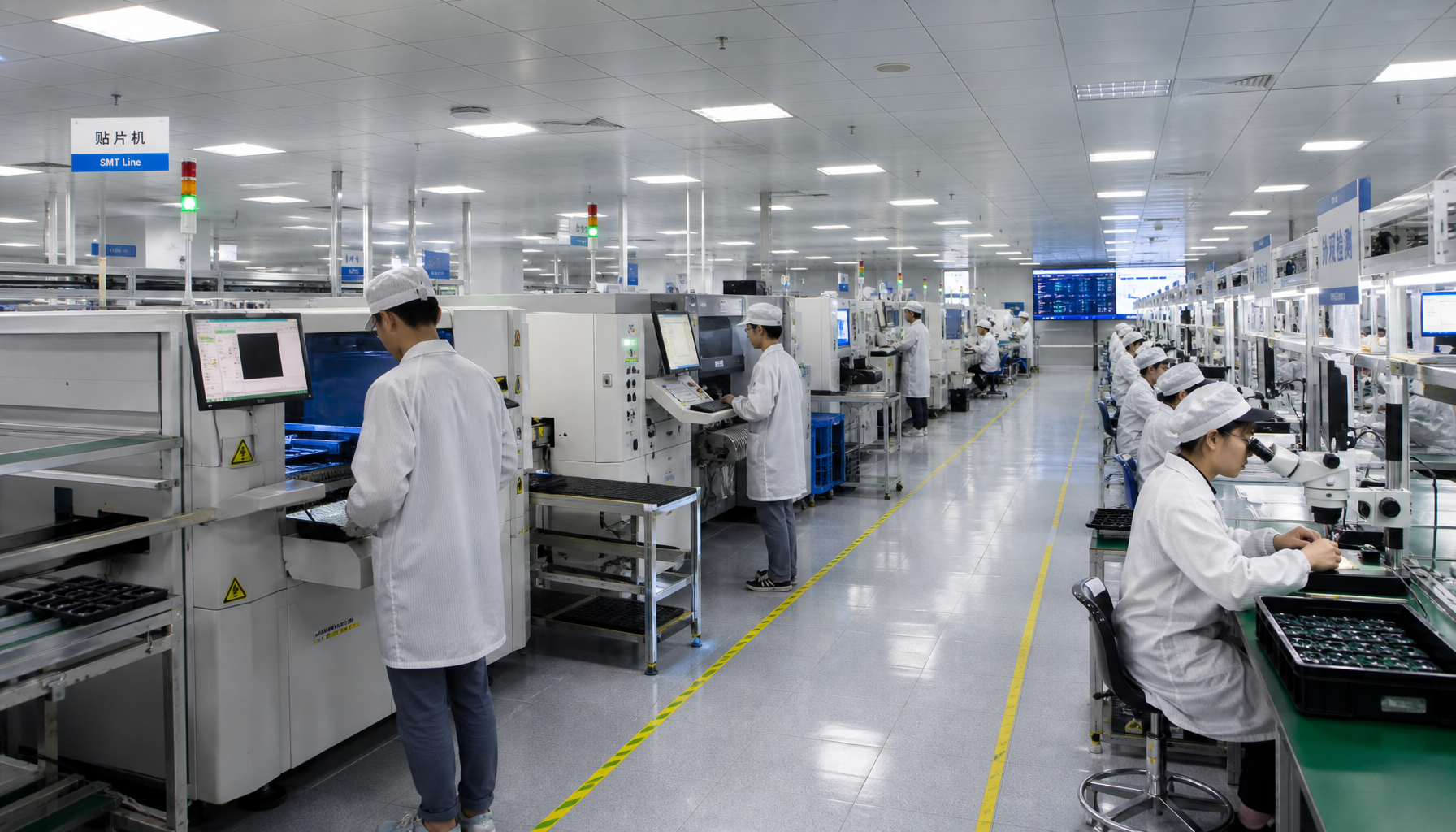
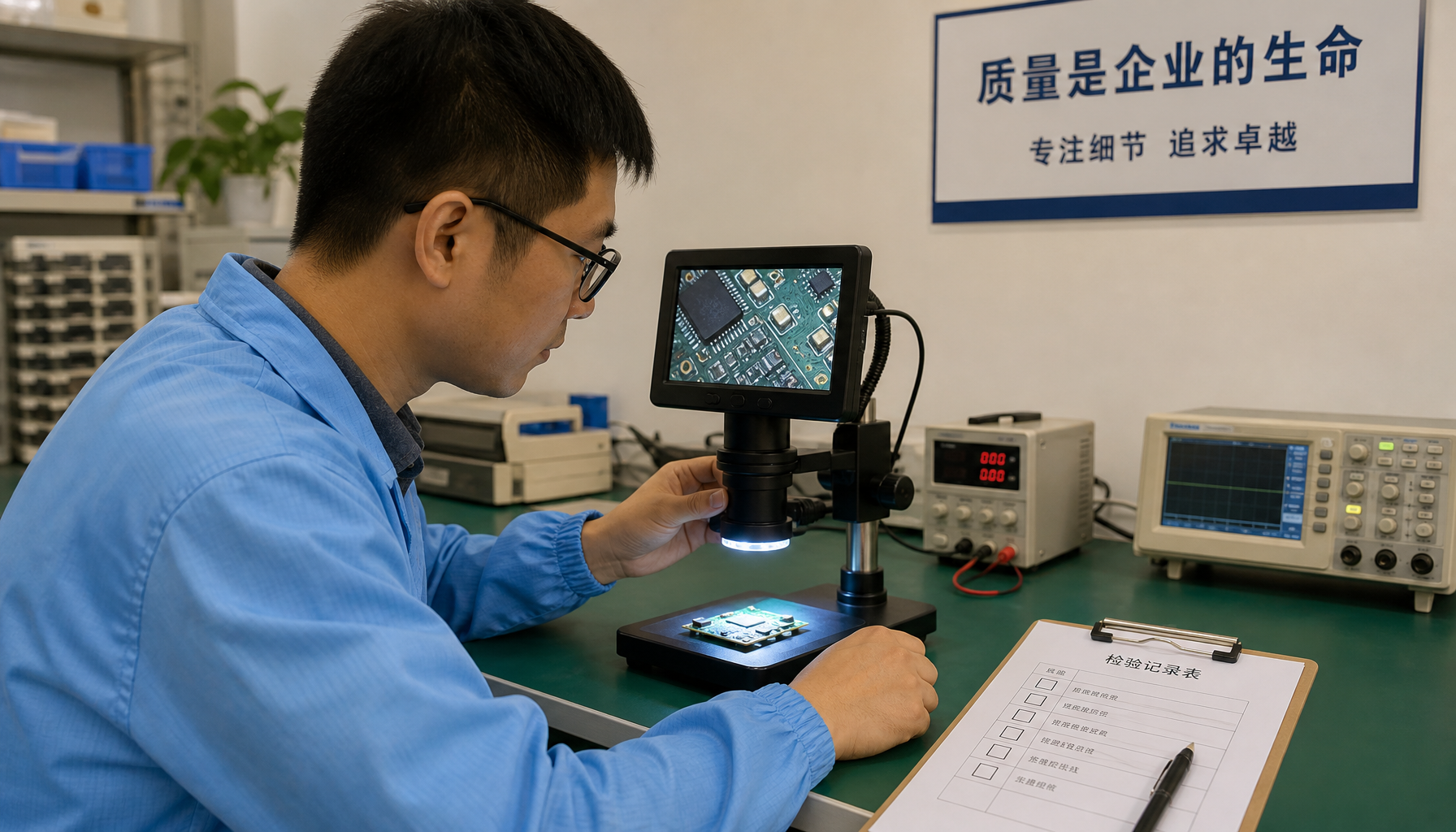
Production Floor Organization: Is the workspace clean and organized (5S methodology)? Are workstations set up with proper lighting, tools, and documentation? Cluttered disorganized floors suggest poor process discipline.
Equipment Condition and Maintenance: Are machines well-maintained with visible maintenance logs? Inquire about equipment age and replacement schedules. Old, poorly maintained equipment leads to inconsistent quality.
Quality Control Stations: Look for in-process quality checkpoints throughout the production line. Check whether inspection records are properly maintained and what happens to defective units. A factory with well-documented QC processes is far more reliable than one that relies on end-of-line inspection only.
Inventory and Material Management: How are components and raw materials stored? Is there a system for traceability (lot numbers, date codes)? Poor material management leads to mix-ups and quality issues.
Worker Skill and Training: Observe workers performing their tasks. Are they following documented procedures? Is there visible training documentation? Skilled workers who follow processes are the foundation of consistent quality.
Step 4: Evaluating Quality Systems
A factory’s quality management system determines whether they can consistently deliver products that meet your specifications. Beyond certifications, evaluate these practical aspects:
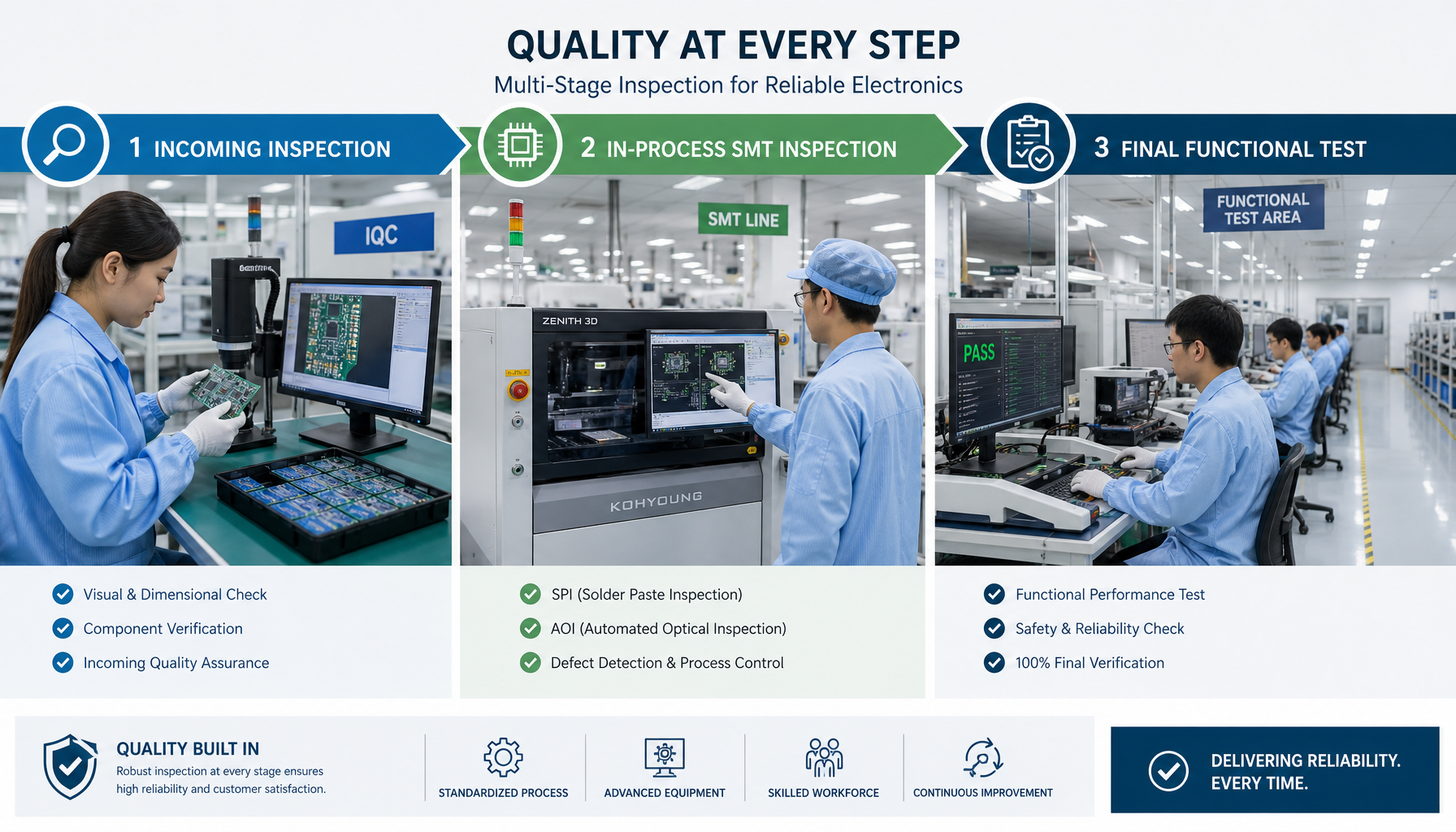
Incoming Quality Control (IQC)
Does the factory inspect incoming components and materials? A good factory verifies that what they receive from their suppliers meets specifications before using it in production. This prevents defective components from being built into your products.
In-Process Quality Control (IPQC)
What quality checks happen during production? Look for visual inspection stations, dimensional checks, functional testing, and process parameter monitoring throughout the production flow. The more quality checkpoints, the earlier defects are caught.
Outgoing Quality Control (OQC)
What testing and inspection happens before products ship? Common OQC activities include burn-in testing, functional testing, visual inspection, packaging verification, and sampling per Acceptable Quality Level (AQL) standards. A factory that can share its AQL standards and inspection records is demonstrating quality maturity.
Corrective and Preventive Action (CAPA)
When quality issues are identified, does the factory have a systematic process for root cause analysis and corrective action? Ask for examples of past quality issues and how they were resolved. Factories with mature CAPA processes improve over time; those without repeat the same mistakes.
Step 5: Communication and Cultural Fit
Technical capability is only half the equation. A factory that communicates poorly or whose operating style clashes with your team will create ongoing friction.
English Communication Ability
Evaluate whether the factory has English-speaking project managers or sales representatives. While you can work through translators for critical communications, day-to-day coordination is much smoother when your factory contact speaks your language. In our experience, having English-speaking counterparts reduces miscommunication-related issues by at least 60%.
Responsiveness and Transparency
How quickly does the factory respond to inquiries? Are they transparent about limitations, challenges, and pricing? Factories that hide problems or overpromise capabilities will create headaches during production. A partner who honestly says “we can’t do that, but here’s an alternative” is far more valuable than one who says “no problem” and delivers substandard results.
Willingness to Collaborate on Design
The best factory relationships are collaborative partnerships, not transactional vendor arrangements. Look for factories that offer DFM suggestions, identify cost-saving opportunities, and proactively communicate potential issues. These factories bring value far beyond their manufacturing capabilities.
Step 6: Negotiating Terms and Trial Order
Before committing to volume production, structure the initial engagement to minimize risk:
Start with a Trial Order
Never go straight to mass production with an untested factory. Start with a small trial order—typically 50-200 units—to validate quality, communication, and delivery. This trial run serves as the ultimate test of the factory’s capabilities and your working relationship.
Define Clear Quality Specifications
Document your product specifications, acceptable tolerances, testing requirements, and packaging standards in a clear specification sheet. Both parties should sign off on these specifications before production begins. This document is your reference point for resolving any quality disputes.
Establish MOQ and Pricing Structure
Discuss Minimum Order Quantities (MOQ) and pricing tiers openly. A good factory will explain their MOQ rationale and offer pricing breaks at higher volumes. Be wary of factories that are inflexible on MOQ or whose pricing seems too good to be true—it usually is.
Conclusion: Building a Manufacturing Partnership
Factory vetting is not a one-time activity—it’s the foundation of a long-term manufacturing partnership. The time and resources you invest in careful factory selection pay dividends throughout your product’s lifecycle. A well-vetted factory becomes a strategic partner that helps you improve quality, reduce costs, and accelerate time to market.
Remember that the cheapest quote is rarely the best value. Focus on factories that demonstrate technical capability, quality systems, transparent communication, and a genuine interest in building a partnership. The upfront effort of thorough vetting is small compared to the cost of a failed production run.
For hardware startups that lack the resources to conduct comprehensive factory audits in China, professional NPI support can bridge the gap. Whether you need help with initial supplier scouting, on-site quality inspection, or full production management, having an experienced partner on the ground dramatically reduces your risk.
Ready to start your factory vetting journey? Our Feasibility Sprint program helps hardware teams evaluate manufacturing partners and validate production readiness before committing to volume production.